On this page
The short answer is late May through September, and the reason has less to do with how cold it gets in January than most people assume.
It Is About Surface Temperature, Not Air Temperature
Exterior coatings need the surface they are going onto to be above roughly ten degrees to cure properly, and they need it to stay there while they cure. That last part is what catches people out.
A day in early May can hit eighteen degrees at two in the afternoon and drop to two degrees overnight. The air temperature at the moment of painting looked fine. The wall spent the night well below the minimum, the film never cured properly, and the failure shows up the following spring as poor adhesion at the joints.
The same trap sits at the other end of the season. Early October afternoons can be pleasant and the nights are already freezing.
Why Chinooks Are the Real Enemy Here
Red Deer sits deep in Alberta’s chinook belt, and that is the single biggest difference between painting here and painting somewhere with a colder but steadier winter.
A chinook can lift a January afternoon above freezing and drop it back below zero the same night. Water that got into a hairline crack in your trim melts, penetrates a little further, then freezes and expands. Repeat that a dozen or more times through one winter.
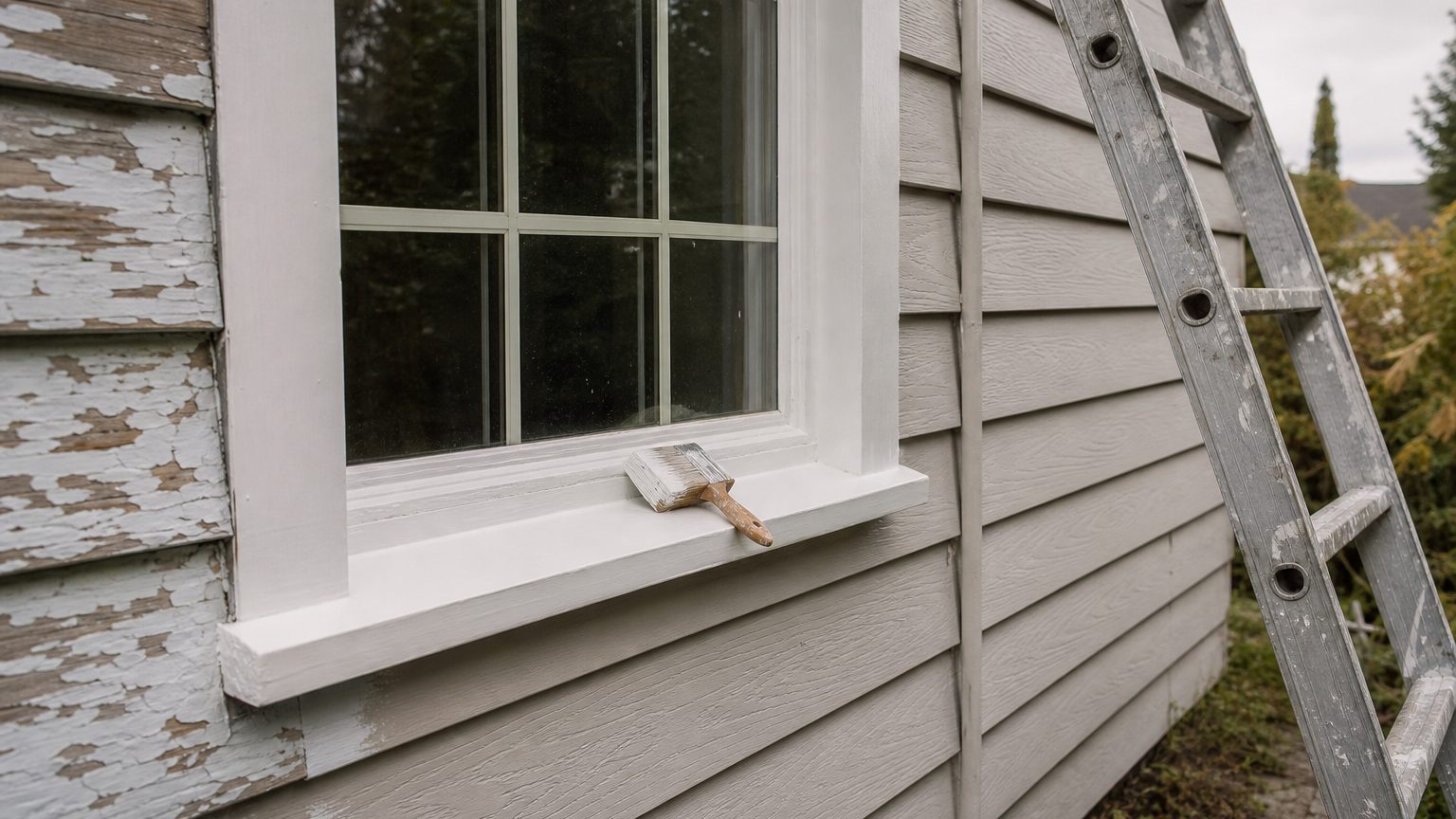
This is why exterior paint in central Alberta fails at seams, joints, and window surrounds long before it fails in the middle of a wall. Those are the places water can get behind the film. A flat expanse of siding just sits there and fades.
The practical consequence is that preparation matters more here than the product does. Sealing the gaps and getting sound adhesion at the edges is what buys you the extra five years.
The Realistic Booking Calendar
Late May to mid June is the sweet spot. Nights are reliably above freezing, humidity is manageable, and you are ahead of the summer rush.
Late June through August is peak season and peak demand. It also brings the wettest stretch of the year in this part of Alberta, so schedules move around rain more than people expect.
September is genuinely good and underrated. Cooler, more stable, fewer bugs in the wet film. The risk is that an early cold snap ends the season without much notice.
October through April is interior season. Which is not a consolation prize, because interior work is unaffected by any of this and it is a sensible time to get it done.
What This Means If You Are Planning
If your exterior needs doing this year and you are reading this in spring, book it. Every painter in central Alberta is working from the same short calendar, and the good weeks fill from the bottom up.
If you are reading this in autumn and the exterior has visibly failed, the honest advice is usually to wait rather than rush a coat on in marginal conditions. A properly prepped job in June will outlast a hurried one in October by years.
If you want a straight answer on where your house actually sits, get in touch and we will come and look at it. You can also read more about how we approach exterior painting and what preparation actually involves.